

When Bukayo Saka took England’s last penalty kick in the Euro 2020 final, the hopes of a whole country rested on the shoulders of a 19-year-old. The crowd at Wembley held its breath, but when Gianluigi Donnarumma stopped Saka’s shot, the dream of “coming home” slipped away. It was a sad time for England fans, but Saka’s story teaches us a lot about how to be strong, grow, and get support.



1. Failure Is Not the End; It’s a New Start
Millions of people saw Saka miss a penalty, but what happened next was even more interesting. Saka didn’t let failure define him; instead, he used it as a chance to grow. This shows young athletes and fans that setbacks are not the end of the world; they are chances to learn and get better. Failure is a part of life, just like it is in football, but so is the chance to come back stronger.
2. The power to deal with criticism in public
After Saka missed the penalty, he was the target of a lot of racist abuse online. But his calm response, in which he thanked those who helped him and called out racism, showed how emotionally mature he was. This shows that the lesson is that real strength is not in avoiding criticism, but in facing it with grace and honesty.


3. The Value of Support from Friends and Family
Saka’s teammates on the England national team, manager Gareth Southgate, and many fans all came together to support him. The outpouring of love, both online and in person, showed how important it is to have a community to help you through tough times. Saka’s story is a reminder that asking for and accepting help is important for healing and moving on for anyone going through a hard time.
4. Adversity Builds Resilience
Saka didn’t let the missed penalty bother him. Instead, he went back to playing for Arsenal and quickly became one of the Premier League’s best players again. He got personal awards and a lot of respect for his performances getting better. The lesson that isn’t obvious is that resilience isn’t something you’re born with; you build it by facing and overcoming challenges.

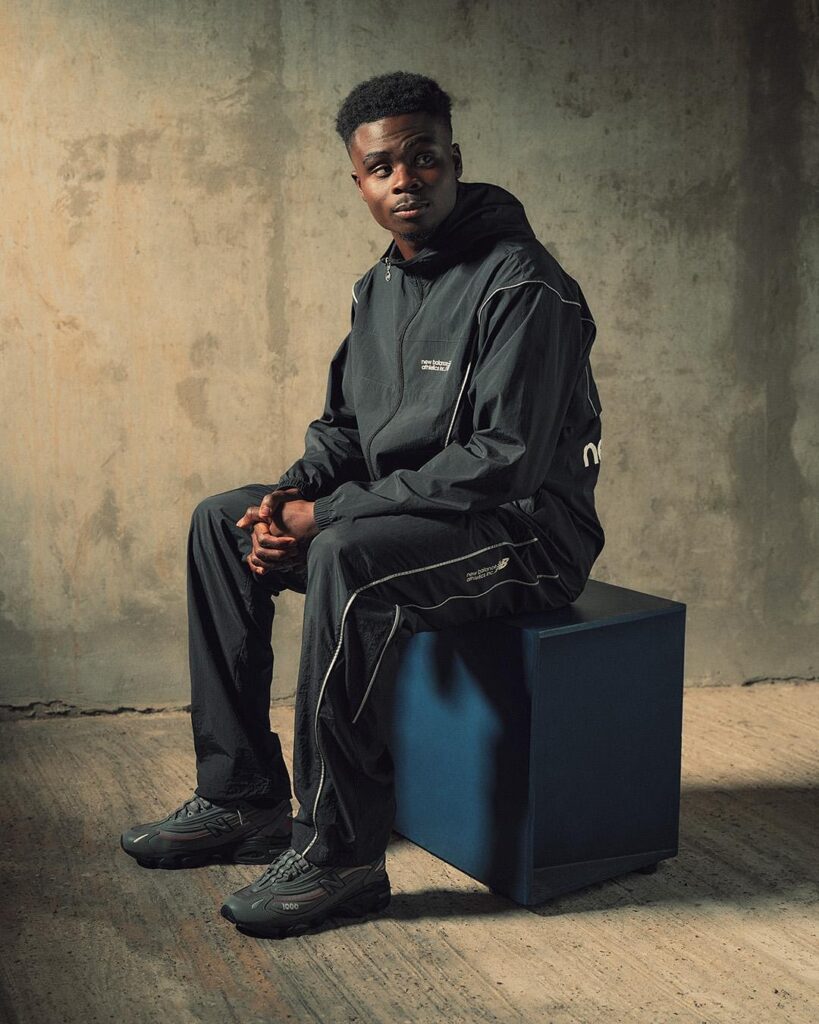

5. People to look up to Don’t Have to Be Perfect
People from all walks of life could relate to Saka’s vulnerability and honesty about his feelings. He showed that role models aren’t perfect; they show how to deal with imperfection. Saka’s story teaches young fans that it’s okay to make mistakes and that being brave means facing them head-on.
6. Using Your Platform for Good
Even though there was a lot of negativity, Saka used his growing power to speak out against racism and help charities. He showed that athletes can be more than just players; they can be voices for change and hope.
Final Thoughts
It hurt when Bukayo Saka missed a penalty at Euro 2020, but it gave him a lot of strength. Since then, his journey has taught him hidden lessons about strength, community, bravery, and what success really means. In sports and in life, it’s not just about the times we win; it’s also about how we handle it when we lose. Saka’s story continues to inspire millions, showing that even when you lose, you can grow and win.